ExploreChileliving unforgettable adventures


Libertador General Bernardo O'Higgins
Named after Chile's independence hero, the O'Higgins Region is known as the Sun Region for its warm Mediterranean climate and over 300 cloudless days a year. Rancagua, the capital, was the site of a pivotal 1814 independence battle. The Colchagua Valley produces world-class reds and the coast draws surfers to Pichilemu's legendary breaks.
Audio version available
Rancagua and the Spirit of Independence
Rancagua, the regional capital, occupies a special place in Chilean national mythology. It was here, on October 1–2, 1814, that patriot forces under Bernardo O'Higgins made a desperate last stand against royalist troops in the Disaster of Rancagua, a defeat that sent the independence movement into temporary exile but galvanised the resistance that would ultimately liberate Chile four years later.
Today the city's historic centre preserves the church where O'Higgins took refuge and a museum dedicated to the battle, while the broad Plaza de los Héroes honours the fallen. Modern Rancagua is a prosperous agricultural and mining services hub, surrounded by orchards, vineyards, and rolling farmland.
Its rodeo arena, the Medialuna, hosts some of the country's most competitive huaso (Chilean cowboy) championships, a tradition that remains central to the region's rural identity.
Sewell, The City of Stairs
Clinging to a mountainside at 2,000 metres in the Andes above Rancagua, the ghost town of Sewell is one of Chile's most remarkable UNESCO World Heritage Sites. Built in the early 20th century by the Braden Copper Company to house workers at the El Teniente mine, the world's largest underground copper mine, Sewell was a self-contained city with housing for 15,000 people, a hospital, a school, a social club, and a bowling alley, all connected by staircases rather than streets (no wheeled vehicles could navigate the steep terrain).
The colourful wooden buildings, painted in institutional greens, yellows, and reds, are preserved in the dry mountain air as a time capsule of early industrial Chile.
Guided tours take visitors through the industrial quarter, the workers' tenements, and the elegant American Club where mine managers socialised, a vivid portrait of the social hierarchies that defined Chile's mining era.
Colchagua Valley, Chile's Red Wine Heartland
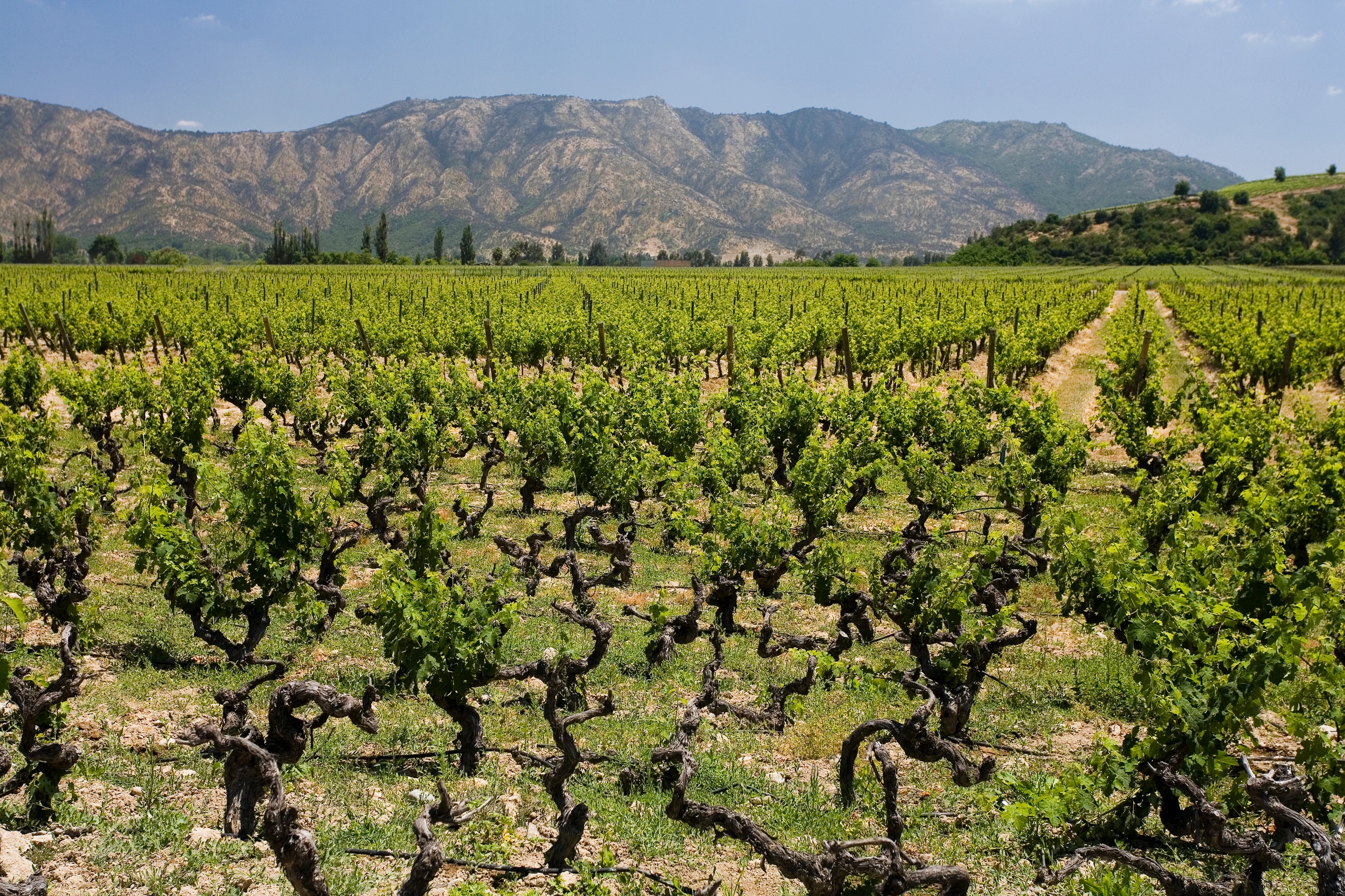
The Colchagua Valley, stretching from the Andes foothills to the coastal range, is arguably Chile's most celebrated wine region and has been named Wine Region of the Year by Wine Enthusiast magazine. Its warm Mediterranean climate, long dry summers, and diverse soils, from alluvial gravel near the rivers to red clay on the hillsides, produce Cabernet Sauvignons, Carménères, and Syrahs of extraordinary depth and concentration.
Estate wineries like Montes, Lapostolle, and Viu Manent combine world-class winemaking with stunning architecture and gastronomy, while the Tren del Vino (Wine Train) runs vintage carriages from San Fernando through the valley, stopping at estates for tastings.
The town of Santa Cruz, with its museum complex, hotel, and observatory, has become the valley's cultural anchor, and the annual Fiesta de la Vendimia (harvest festival) in March is one of Chile's most joyful celebrations.
Pichilemu, Surf Capital of Chile
On the O'Higgins coast, the small town of Pichilemu has earned its reputation as Chile's undisputed surf capital. The legendary left-hand point break at Punta de Lobos, a rocky headland six kilometres south of town, delivers powerful waves that can hold swells up to five metres, drawing professional surfers and big-wave competitors from around the world.
The town itself retains a laid-back charm despite its growing popularity, with colourful hostels, seafood restaurants, and surf schools lining the beachfront. The crumbling Agustín Ross Park, with its Victorian casino (now a cultural centre) and palm-lined promenade, speaks to Pichilemu's earlier incarnation as an elite summer resort in the early 1900s.
Beyond the main breaks, the coast stretches south through a series of less-crowded beaches, Cahuil, La Boca, and Bucalemu, each offering different conditions for surfers, bodyboarders, and kitesurfers.
Mountains, Reserves, and Rural Traditions
East of the valley floor, the Andes foothills of the O'Higgins Region harbour wild landscapes and ancient traditions. The Reserva Nacional Río de Los Cipreses protects a steep canyon where Andean condors nest on basalt cliffs, glaciers hang above turquoise streams, and forests of the endangered Chilean cypress (ciprés de la cordillera) survive in rocky ravines.
Multi-day horseback treks through the reserve follow paths used by arrieros (muleteers) for centuries. The Cachapoal Valley, the region's northern wine district, produces rich Cabernet Sauvignons and is home to the Termas de Cauquenes, a thermal spa where Charles Darwin soaked during his Chilean travels in 1835.
Throughout the region, rural traditions thrive: the cueca (Chile's national dance), asados (barbecues) of beef and lamb, and the art of huaso horsemanship are not museum pieces here but living expressions of a culture that has farmed this land for generations.
Points of Interest
Wineries
Wineries
Viña Montes
Viña Montes was founded in 1988 by agronomist Aurelio Montes and Douglas Murray under the original name Discover Wines, with their first vintage harvested in 1987. Within a few years the project had Chile's wine establishment paying attention, Montes Sauvignon Blanc took gold at Vinexpo in 1990, the iconic Montes Alpha M arrived in 1996 as Chile's first 'icono', and in 2003 Purple Angel became Chile's first flagship Carmenère. The spiritual home of the winery is the Bodega de Apalta in Millahue de Apalta, Santa Cruz, a feng-shui-designed cellar tucked into Colchagua's most celebrated horseshoe of granitic hillsides. Vineyards extend across Apalta, Marchigüe, the cool coastal Zapallar, and even Isla Mechuque in Patagonia, while sister winery Bodega Kaiken was opened in Mendoza, Argentina, in 2002. Montes also planted Chile's first commercial Syrah in 1993, helping spark the country's love for the variety. The portfolio is built in tiers. The 'Divine Collection' gathers the icons, Taita, Montes Muse, Alpha M, Folly, and Purple Angel; below sit the Single Vineyard wines (Wings, Outer Limits, Alpha Special Cuvée), the broad Alpha and Limited Selection lines, and specialty bottlings including the sparkling Angel, Twins, Cherub, and Lúmina. Sustainability is central, the house earned B Corp certification in 2024 and is recognised in World's Best Vineyards and among the partner cellars of the Colchagua Valley. Visits at Apalta are curated as full experiences, Evolution, Andes Deluxe, and Doble Ícono tours pair tastings with Andean treks, gastronomy, and on-site stays.
Mon–Fri 10:00–18:00
Wine Tasting · Tours · Shop · Restaurant · Lodging
Wineries
Viña Las Niñas
Viña Las Niñas was born in the late 1990s, when three French families arrived in the Apalta Valley, in the heart of Colchagua, and fell in love with the place, its beauty and the extraordinary terroir of its hillsides. They started a new wine project there with one clear commitment from day one: to work in harmony with nature and respect the cycles of the vine through organic farming. Inspired by their daughters, the founders chose a name that would carry that family story forward, Viña Las Niñas. The vineyard's parcels bear the daughters' names, and the names of the women who work them, turning the estate into a living tribute to the people who have shaped it. Over the years, that spirit has become an identity of its own. From the vineyard to the glass, many women continue to take part in making the wines, and the project keeps growing with the same passion for the land and for the craft.
Mon–Fri 10:00–18:00
Wine Tasting · Shop
Wineries
Viña Viu Manent
Viu Manent's story begins in 1935, when Catalan immigrant Miguel Viu García and his sons Agustín and Miguel Viu Manent founded 'Bodegas Viu' in Santiago, a wine-trading and bottling business that would slowly evolve into one of Chile's defining family wineries. The decisive turn came in 1966, when Miguel Viu Manent acquired Hacienda San Carlos de Cunaco in the Colchagua Valley and folded its 150 hectares of pre-phylloxera French vines into the family operation. A series of bold moves shaped the modern house. In 1977 Viu Manent became the first Chilean distributor of Spain's Miguel Torres wines; agronomist Roberto Pizarro and enologist Aurelio Montes joined as consultants in 1988; and in 1993 Viu Manent became the first Chilean winery to bottle and commercialise a varietal Malbec, planting the country's flag on a grape that would later define modern Chilean reds. The third generation, José Miguel, Lorena, and Ángel Gurtubay, joined in 1990, and after the founder's passing in 2000 they carried his vision forward with VIU 1, a tribute wine made from century-old Malbec vines. Today the estate works 254 hectares across three Colchagua sites, San Carlos in Santa Cruz, and La Capilla and El Olivar in Peralillo, producing a portfolio that runs from everyday varietals up to the icons El Incidente Carmenère (born of a famous hot-air balloon mishap over the vineyards in 2010) and Viu Infinito. Sustainability sits at the centre, BRC and vegan certifications, solar power, and active biodiversity programmes. Visitors are received in a full estate experience, guided tastings, vineyard tours by e-bike or horseback, lunch at the Rayuela Wine & Grill, and overnight stays at the Vibo Wine Lodge, making San Carlos de Cunaco one of Colchagua's most complete wine-tourism destinations.
Mon–Fri 10:00–18:00
Wine Tasting · Tours · Shop · Restaurant · Lodging
Wineries
Clos Apalta
Clos Apalta is the Chilean chapter of the Lapostolle family's two-century love affair with the vine: a story that began in 1827 with Jean-Baptiste Lapostolle's fruit-liqueur distillery near Versailles, took its most famous turn in 1880 when Louis-Alexandre Marnier Lapostolle created Grand Marnier, and crossed the Atlantic in 1994 when Alexandra Marnier Lapostolle and her husband Cyril de Bournet founded the family's wine venture in Chile. The flagship Clos Apalta wine was first vinified in 1997, and the seventh generation, Charles-Henri de Bournet Marnier Lapostolle, has led the house since 2013. The estate sits in a horseshoe of decomposed-granite hills in the heart of the Apalta Valley, a microclimate distinctive enough that it earned its own Denomination of Origin in 2018. The vineyards trace their lineage to pre-phylloxera Bordeaux rootstock brought across the Atlantic in the 19th century, with the oldest parcels planted as far back as 1915. Everything is farmed organically and biodynamically; the old vines are dry-farmed, the fruit is picked by hand, and no synthetic pesticides are used. The centrepiece is a seven-level gravity-flow winery completed in 2005, carved 35 metres into the granite hillside, it lets the grapes move from reception to bottle without mechanical intervention. Renowned consultant Michel Rolland has overseen production for years alongside technical director Jacques Begarie, and the portfolio gathers three wines around the icon: Clos Apalta itself, Le Petit Clos, and Prelude. Clos Apalta has long figured among the World's Best Vineyards, and visitors can experience it in full, guided tastings, vineyard tours, restaurant lunches with mountain views, and overnight stays at the Clos Apalta Residence, a luxury hideaway tucked into the same granite amphitheatre that nurses the wines.
Mon–Fri 10:00–18:00
Wine Tasting · Tours · Shop · Restaurant · Lodging
Wineries
Viña Santa Cruz
Viña Santa Cruz was founded in 2003 by Chilean entrepreneur Carlos Cardoen as a tribute to Colchagua's deepest cultural roots. The estate stretches across 80 hectares in Lolol, about 25 km from Santa Cruz town and only 40 km from the Pacific, where coastal breezes, marked day-to-night temperature swings, and a patchwork of franco-clayey, granitic, sandy, and alluvial soils give the wines their freshness and minerality. The vineyard is planted to a richer-than-usual mix of varieties: Cabernet Sauvignon and Carmenère anchor the reds, and around them sit Touriga Nacional, Petit Verdot, Tempranillo, Mourvèdre, Garnacha, and the historic Chilean País. The portfolio is built as a tribute to ancestral roots, Chamán (after indigenous spiritual wisdom), the Santa Cruz Terrazas line, Make Make (the Rapa Nui creator deity), and Tupu (the Andean ornamental pin that symbolises ancestral unity). Sustainability is central. The house received its Wines of Chile sustainability certification in 2011, and in 2017 became the country's first fully solar-powered vineyard, reaching 100% energy self-sufficiency. In 2023 it was named Chile's Best Wine Tourism Experience. What truly sets Santa Cruz apart is what happens above the vines. A cable car climbs Cerro Chamán to a hilltop where visitors find replica Mapuche, Aymara, and Rapa Nui villages, the only astronomical observatory in Latin America located inside a vineyard, and the country's largest private meteorite collection. Down at estate level, the Museo del Automóvil gathers vintage cars from 1890 through the 1980s, Restaurante Loló pairs valley cuisine with the wines, and the boutique hotel 'Cuerpo y Alma' welcomes guests who want to stay overnight in the heart of the project.
Mon–Fri 10:00–18:00
Wine Tasting · Tours · Shop · Restaurant · Lodging
Wineries
Viña MontGras
Viña MontGras was founded in 1993 in the Colchagua Valley, built on two generations of family wine experience. From the start the project pursued a clear ambition, to make world-class Chilean wines with an audacious, detail-driven approach, and within just a couple of years the team's Cabernet Sauvignon Reserva '94 was named Best Chilean Wine in 1995, with the UK's IWSC following up in 2002 by naming MontGras Best Chilean Wine Producer. The estate has grown around three distinctive vineyards. Ninquén, planted in 1998, is a volcanic 'hill-island' in Colchagua and one of the pioneering hillside vineyards of modern Chile. Intriga, added in 2005 on the deep alluvial terraces of Maipo Andes, is dedicated to Cabernet Sauvignon, its top wine, Intriga Máxima, scored 93 points in Wine Spectator in 2016. Amaral, opened in 2006 just 12 km from the Pacific in the Leyda Valley, is the cool-climate counterpart, built around Sauvignon Blanc and Pinot Noir. Sustainability has shaped the modern house. MontGras was the first Chilean winery to certify under the Wines of Chile Sustainability Code in 2013; the entire premium portfolio became 100% vegan in 2021 (the same year it earned Sustainable Wine Tourism certification); the organic line launched in 2022 was named Descorchados' 'Best Line of the Year'; and by 2025 every estate runs on renewable energy and the company carries B-Corp certification. The portfolio is organised across six tiers, Luxury, Super Premium, Organic, Premium, Varietal, and Innovation, and the Colchagua estate has become one of Chile's most-visited wine destinations, regularly listed among the country's thirty most attractive places to visit.
Mon–Fri 10:00–18:00
Wine Tasting · Tours · Shop · Restaurant
Wineries
Viña Ventisquero
Viña Ventisquero was founded in 1998 by Chilean entrepreneur Gonzalo Vial, who planted the first vines that year at the Trinidad estate in the Maipo Valley. The winery was officially launched in 1999, and chief winemaker Felipe Tosso brought in the first harvest in 2000, the first Ventisquero wines reaching shelves in 2001. The brand name itself, adopted in 2002, means 'hanging glacier' and pays homage to the dramatic ice fields of Chilean Patagonia. Guided in its early years by the renowned Australian winemaker John Duval (long-time chief winemaker of Penfolds Grange), the house grew quickly. Vineyards now span five contrasting Chilean terroirs, Trinidad in Maipo (the headquarters), the cool coastal Casablanca and Leyda valleys, the warm hillsides of Colchagua, and, since 2008, the dramatic Huasco Valley on the edge of the Atacama Desert, the source of the Tara range, which pushes the geographic limits of Chilean viticulture. The portfolio is built around place: Queulat (named for a Patagonian glacier), Grey (after the iceberg-fed lake at Torres del Paine), Yelcho (an Aysén lake), and others all honour Chilean landscapes. In 2020 the operation became Ventisquero Wine Estates Holding, and today it exports roughly 1.5 million cases a year; in 2024 it was named New World Winery of the Year at the Wine Enthusiast Wine Star Awards. Visitors are received at Trinidad and at La Roblería in Apalta, where guided tastings, vineyard tours, and food pairings reveal the breadth of a winery that has built its identity by exploring every climatic edge of Chile.
Mon–Fri 10:00–18:00
Wine Tasting · Tours · Shop
Wineries
Viña Los Vascos
Viña Los Vascos sits in the Colchagua Valley, on land first planted to vines around 1750 by a Basque family, the Echeniques, among the very first to bring viticulture to this part of central Chile. The modern winery dates to 1988, when Domaines Barons de Rothschild (Lafite) acquired the estate, becoming one of the first European houses to invest in the region. Since then, the Bordeaux family has overseen a long modernisation, blending Chilean tradition with the expertise that built Château Lafite. The property runs to 3,600 hectares, about 640 of them planted to vines, between the Andes and the coastal range, roughly 40 km from the Pacific. Ocean breezes pull through the valley and drop nighttime temperatures by as much as 30 °C, slowing ripening on a soil mix of sand, clay alluvium, and Tosca (compacted volcanic ash), with granitic hillsides adding complexity. The vineyard is led by Cabernet Sauvignon (68%), with Carmenère, Syrah, Chardonnay, Cabernet Franc, and Sauvignon Blanc filling out the rest, and vines ranging from 15 to 60 years old. Sustainability is a defining piece of the operation. 81 hectares are certified organic and another 202 follow organic practices; the estate runs on solar power and an on-site photovoltaic plant, recycles its waste streams, and shares the land with native flora, orchards, olive groves, and a working sheep flock. Los Vascos holds Wines of Chile sustainability certification and keeps 95% of its workforce on permanent contracts. The portfolio runs from the Cromas Gran Reserva tier (Cabernet Sauvignon, Carmenère, Syrah, Chardonnay, Cabernet Franc) up through the organic Chagual line, the Grande Réserve Cabernet Sauvignon, and the icon Le Dix, including the Cosechas Antiguas releases that draw on the estate's oldest fruit.
Mon–Fri 10:00–18:00
Wine Tasting · Shop
Wineries
Viña Casa Silva
Casa Silva is the modern face of a Chilean wine family with deep Bordeaux roots. Emilio Bouchon Poitvin arrived from France with his wife Germana Fauré in 1887, planted vines at Fundo Angostura near San Fernando, and built a 19th-century cellar that still operates today. Six generations have shaped the estate since: the next two as 'Bouchon Hermanos'; then Abel Bouchon's daughter María Teresa marrying into the Silva family; and in 1968 Mario Silva Cifuentes wedding María Teresa Silva Bouchon and beginning, ten years later, the long task of reviving the historic Bouchon vineyards and winery. The Casa Silva brand itself was born in 1997, when Mario Pablo Silva, the eldest of the fifth generation, convinced his father to bottle the family's wines under their own name. Today he leads a tightly held family operation alongside his brothers Gonzalo, Francisco, and Raimundo, with the sixth generation already on board. The estate spans some of Colchagua's most distinctive terroirs. Los Lingues and the historic Angostura reach toward the Andes; Lolol and Paredones face the cool Pacific; and a pioneering southern project at Futrono on Lago Ranco brings the family into truly cold-climate territory. The portfolio reflects that range: Microterroir Carmenère, S 38 Cabernet Sauvignon, S 7 Carmenère, the Altura and Quinta Generación reds, Cool Coast Sauvignon Gris and Chardonnay, the Lago Ranco Sauvignon Blanc and Riesling, and the Dominga, Fervor del Lago Ranco, and Fervor de la Costa Fría sparkling lines. Widely described as 'la viña chilena más premiada del siglo XXI', the most awarded Chilean winery of the 21st century, Casa Silva exports to more than 70 countries. Visitors can stay at the Hotel Boutique Casa Silva, the original family residence that has housed six generations, dine at the Club House restaurant, and tour the historic 19th-century cellar at Angostura.
Mon–Fri 10:00–18:00
Wine Tasting · Tours · Shop · Restaurant · Lodging
Wineries
Viña Lapostolle
Lapostolle Wines is the broader portfolio of the Lapostolle family's Chilean venture, founded in 1994 in the Apalta Valley by Alexandra Marnier Lapostolle and her husband Cyril de Bournet, heirs to the Grand Marnier lineage that has been making fine spirits since 1827. Where their icon Clos Apalta is now a sister winery dedicated to a single flagship cuvée, Lapostolle is the home of everything around it. The centrepiece is the Cuvée Alexandre line, Cabernet Sauvignon, Carmenère, and Merlot drawn entirely from selected Apalta estate parcels and named for Alexandra herself. Around it sit several distinctive bottlings: Apalta, a red blend created to mark the recognition of the Apalta sub-appellation, weaving Cabernet Sauvignon, Merlot, Carménère, Cabernet Franc, and Syrah; La Parcelle 8, made from the very first plot the family saw when they arrived in the valley; the Provence-inspired Le Rosé, drawn from estate fruit; and the Borobo blend. The vines are farmed organically and biodynamically, the same philosophy that defines the family's work next door at Clos Apalta, with Bordeaux's Michel Rolland still consulting on production. Visits to Lapostolle are received in the heart of the Apalta horseshoe, with guided tastings, vineyard tours, and pairings that walk through the family's broader portfolio.
Mon–Fri 10:00–18:00
Wine Tasting · Tours
Wineries
Viña Koyle
Viña Koyle is the modern offshoot of one of Chile's oldest wine families. The Undurragas have been making wine since 1885, when Francisco Undurraga Vicuña started what became, through six generations of vineyards and exports, one of the country's defining wine houses. Koyle itself was founded in 2006, when Alfonso Undurraga Mackenna bought the Los Lingues estate at the foot of the Andes in Alto Colchagua and began planting it with his son Cristóbal on its stony hillside slopes. Alfonso still serves as president; Cristóbal is technical director, and his brothers Alfonso Marimón and Max Marimón complete the family team. The estate now covers four vineyards in Alto Colchagua and beyond, Finca Los Lingues at the Andean foot, Finca Bertolli, Viñedo Paredones, and the older-vine Viñedo Itata, each chosen for the kind of granitic, basaltic, or pre-Cordilleran soils that give Koyle's wines their unmistakable Andean cut. From the start the project was built around a clear identity. In 2009 Koyle moved fully into biodynamic agriculture in partnership with Demeter International, becoming one of the country's leading biodynamic producers. The cellar took the project to its peak with the 2019 launch of two icon wines, AUMA and Cerro Basalto, joining the Royale range, whose Carmenère 2010 had landed in Wine Spectator's Top 100 in 2012. Visitors can experience Los Lingues first-hand through Koyle's Tour & Wine Experience, guided walks through the biodynamic vineyards and the cellar, paired with tastings across the estate's range.
Mon–Fri 10:00–18:00
Wine Tasting · Tours
Wineries
Viña Neyen de Apalta
Neyen de Apalta sits on the eastern edge of the Apalta Valley, a small sub-zone in the heart of Colchagua and one of only seven properties holding vineyards within an appellation that earned its own Denominación de Origen in 2018. The vineyards themselves go much further back: vines have been growing here since 1889, and the estate's adobe cellar, the oldest in Apalta, has been at the centre of the property's life for more than a century. The estate is now part of González Byass, the Spanish wine house founded in 1835 and best known for Tío Pepe sherry. Under that ownership, Neyen has positioned itself as the pioneering organic and biodynamic regenerative winery of Apalta, working a single estate with minimal intervention and a long-term outlook captured in the family's '5+5' philosophy, five generations of stewardship aimed at five more. The vineyard climbs from alluvial clay and sandy plains up onto rocky, granitic, and volcanic hillsides, with century-old vines whose deep root systems do most of the work. Cool Pacific air and Andean breezes pull the summer range from 12 °C nights to 35 °C afternoons, slowing ripening and sharpening definition. The portfolio is built around the long-tended fruit of the estate: Primus (Carménère and Cabernet Sauvignon), the icon Neyen (a deep Carménère / Cabernet Sauvignon blend), and Tesis de Primus. Visits are received Monday through Sunday, 9:00–17:30, by reservation, guided walks through the biodynamic vineyards and the historic adobe cellar, paired with tastings across the estate's wines.
Mon–Fri 10:00–18:00
Wine Tasting · Tours · Shop
Wineries
Viña Maquis
Viña Maquis traces its winemaking story all the way to the 18th century, when Jesuit priests first planted vines on this stretch of the Colchagua Valley. In the 19th century the estate passed through two Chilean presidents, who held cabinet meetings here and even built brick bridges so their ministers could reach the farm. The Hurtado Vicuña family bought Maquis in 1916, and four generations on, the estate is led by Ricardo Rivadeneira Hurtado, who returned in 2000 after studying agronomy and enology and gaining experience in Napa and Bordeaux. The estate is unusual for sitting on what is essentially an island, hemmed in by the Tinguiririca River and the Chimbarongo Creek. The two waterways pull cool breezes across the vineyards and keep summer temperatures meaningfully lower than the rest of the valley, even in hot, dry years; the soils were laid down by those same rivers as alluvium from the Andes. The historic 1927 main building, the work of a 23-year-old Ignacio Hurtado, fresh out of engineering school, and one of Chile's first concrete buildings, still stands beside the modern, sustainability-driven cellar that the family added in 2002. The winemaking team brings serious international firepower. Chief winemaker Rodrigo Romero (Burgundy, Tuscany, Napa) works alongside Ricardo, with Xavier Choné advising on viticulture since 2005 (his other clients include Château d'Yquem, Dominus, and Opus One) and Eric Boissenot consulting on blends. The portfolio is built around place-driven, single-estate wines aged in French oak: the Gran Reserva range (Cabernet Franc, Cabernet Sauvignon, Carménère, and a Malbec / Cabernet Franc Rosé), the highly rated Lien blend (Cabernet Franc / Cabernet Sauvignon / Carménère), and the icon trio Lien, Franco, and Viola, all consistently scoring above 94 points. Visitors are welcomed in the original concrete cellar and the modern facility, with guided tours of the river-flanked vineyards and tastings across the estate's wines.
Mon–Fri 10:00–18:00
Wine Tasting · Tours
Wineries
Viña Caminomar
Viña Caminomar is a small, deeply hands-on winery founded in 2009 by Samuel Larraín and María José Duque in Santa Ana, Peralillo, about 34 km from Santa Cruz on Route A90 in the Colchagua Valley. The whole operation runs on a scale most producers have left behind: 1.9 hectares of vines, a single 5,000-litre cellar, and a yearly cycle that is almost entirely manual. The family's intent from the start was natural, handcrafted wine. The April harvest is picked by hand, grapes are destemmed by hand, fermentation runs on the vines' own native yeasts with gentle daily foot-treading for around 14 days, and the wines then spend 12 months in French oak before being bottled unfiltered. Once in bottle, they rest a further 12 months before release. Organic and sustainable practices anchor the vineyard work, and the small scale lets the family stay close to every step. The results have caught Chile's wine establishment off-guard. In its 2021 edition, the Descorchados Wine Guide named the Vaho 2018 as 'Revelación' (Revelation of the Year) with 94 points, and gave 93 points to the Sosiego 2018, high marks for any producer, remarkable for a 1.9-hectare cellar. Visits are central to the project. Samuel and María José open the estate every day from 9:00 to 18:00 for guided tastings, vineyard walks, photography tours, enological workshops, private events, and boutique stays, small-group enotourism the way Caminomar's wines are made: by hand, and on its own time.
Mon–Fri 10:00–18:00
Wine Tasting · Tours · Shop · Lodging
Wineries
Viña VIK
Viña VIK was founded in 2004 by Alexander and Carrie Vik, who spent two years scouting South America for the right terroir before settling on Chile in 2006. They eventually acquired 4,500 hectares in the Cachapoal Valley and planted the first 327 in Millahue, a name the Mapuche translated as 'Lugar de Oro' (Place of Gold). The Mapudungun word 'Milla' (gold) and the Spanish rendering of 'Vik' as 'Cala' would later combine into the name of one of the estate's flagship wines. The vineyard sits in an interior horseshoe surrounded by hills, fed by coastal breezes that create a mosaic of microclimates and pull cool air between the rows. Chief winemaker Cristian Vallejo harvests by hand at night when the fruit is coolest, ferments with native yeasts only, and ages in a mix of new and used French oak. The architecture is its own statement: the winery, designed by Smiljan Radic with Loreto Lyon, sits low into the hillside under a translucent fabric roof and a reflecting water surface, with sustainability built into every element. VIK's wines have been recognised among Chile's best since their early releases. At Descorchados 2025, Milla Cala 2021 scored 95 points and took 'Best Cachapoal Entre Cordilleras' alongside a place in the Top Red Wines and a shared Best Red Blend; StoneVIK 2023, debuting with its very first vintage, scored 97 points and won the Revelación Award. The icon VIK itself rounds out a portfolio that also includes La Piu Belle and Milla Cala, each drawing from the full varietal palette planted on the property: Cabernet Sauvignon, Cabernet Franc, Carmenère, Syrah, and Merlot. Visits centre on the architectural Cava, a guided route through the cellar to the tasting room, and extend up to the Vik Chile Retreat, the family's hilltop luxury hotel and one of the most distinctive wine-country stays in South America.
Mon–Fri 10:00–18:00
Wine Tasting · Tours · Shop · Restaurant · Lodging
Wineries
Viña Anakena
Viña Anakena was founded in 1999 by childhood friends Felipe Ibáñez and Jorge Gutiérrez at Alto Cachapoal, in the upper Rapel Valley at the foot of the Andes. The name comes from Rapa Nui, Anakena is a famous bay on Easter Island and the word translates roughly as 'bird cave', a reference to the Tangata Manu (birdman) legend that still shapes the winery's labels with their ancestral engravings and pictographs. From one Cachapoal vineyard, the operation has grown into more than 400 hectares spread across four Chilean terroirs: 155 ha in the warm Cachapoal Valley, 128 ha in the cool coastal Leyda (San Antonio Valley), 70 ha on Cerro Ninquén in Colchagua, and another 70 ha at Las Cabras. That spread lets the winery work an unusually broad palette of varieties, Cabernet Sauvignon, Carménère, and Merlot from the warmer interior; Pinot Noir, Sauvignon Blanc, Chardonnay, and Viognier from coastal Leyda; alongside Syrah, Riesling, and Malbec across the rest. The portfolio runs from everyday varietals up to single-vineyard bottlings. The modern cellar holds 148 stainless-steel tanks, 1,300 barrels, and a capacity of about 3.5 million litres per year, roughly 400,000 cases, exported to more than 50 countries. In 2015 the brand was acquired by the Australian wine group Accolade Wines for USD 30 million; winemaker Gavin Taylor stayed on to lead the team after the deal. Among the curiosities in the brand's history: Anakena has served as the official wine of British Tennis and the Lawn Tennis Association. Visits to the Alto Cachapoal estate are arranged through the winery directly, tastings and vineyard tours showcase the breadth of a producer that has built its identity across four very different Chilean climates.
Mon–Fri 10:00–18:00
Shop
Wineries
Viña Bestias
Viña Bestias was founded at the start of the 2000s near the Mataquito River, in the Curicó Valley within Chile's Maule region, about 80 km from the Pacific and 60 km from the Andes. That central position gives the estate a Mediterranean climate with marked day-to-night temperature swings, southern summer winds that take the edge off the heat, and roughly 600 mm of rainfall a year, almost all of it in winter. The house plays to the strength of that climate by working exclusively with red varieties, Merlot, Cabernet Sauvignon, and Carménère, and aiming, in the words of the team, for 'vibrant, robust, muscular' wines that express the muscle of the place. The barrel programme leans on both French and American oak, with each cask type chosen for the role it plays: French oak brings elegance and structure to the more refined cuvées, American oak adds tannin and weight to the bolder bottlings. The portfolio fits the brand name, 'bestia' means 'beast' in Spanish, and each wine has a character of its own: Bestia Icono at the top, the limited-edition Grand Cru Bestia Gold, the everyday Bestia Roja, Bestia Azul, and Bestia Negra, the more playful Bestia Rock, and a sparkling option for celebration. Sustainability and traditional, low-intervention methods anchor the cellar work throughout. Visits to the vineyard are arranged directly with the team, tastings and tours that walk visitors through the estate, the cellar, and the full Bestias lineup.
Mon–Fri 10:00–18:00
Shop
Wineries
Château Los Boldos
Château Los Boldos has its roots in 1936, when the first vines were planted at the Santa Amalia estate in Requínoa, in the Cachapoal Andes Valley of O'Higgins. The winery as we know it took shape in 1991, when a French company bought the property and began making higher-end wines on what they saw as a Bordeaux-like Cachapoal terroir, French winemaking habits applied to the elegance of the Andean Cachapoal. The estate has been Portuguese-owned since 2008, when the Sogrape Group, the family-run wine house with operations on every continent, acquired the project and invested significantly in modernising the cellars. The vineyard runs to about 180 hectares spread across the Cachapoal Andes, with the higher elevations and cool Andean nights giving the reds their structure and the whites their freshness. The portfolio leans on Cabernet Sauvignon, Carménère, Merlot, and Syrah for the reds, with Sauvignon Blanc and Chardonnay on the white side. Wines reach the international market under tiered labels, among them Tradición Reserva and Gran Reserva, and are distributed through Sogrape's global network. The site sits at Camino Los Boldos in Requínoa, framed by Andean foothills, and visits are arranged with the winery directly, tours through the historic cellars and the more recent additions, plus tastings across the Château Los Boldos range. The combination of French-style sensibility, an old Chilean property, and a Portuguese family group behind the operation gives the house a quietly cosmopolitan personality, even in a valley known for tradition.
Mon–Fri 10:00–18:00
Shop
Wineries
Torreón de Paredes
Torreón de Paredes was founded in 1979 by Don Amado Paredes in Rengo, in the Alto Cachapoal Valley of O'Higgins, about 114 km south of Santiago. The project was built around a simple, almost literary idea, captured in the founder's phrase 'wine savored, experienced, and appreciated', and Don Amado often spoke of his ambition to bring great thinkers and writers around the table, citing Walt Whitman, Pablo Neruda, and Gabriela Mistral as the spirit he wanted the wine to share. Today his sons Álvaro and Javier Paredes lead the family operation, with their father still serving as mentor. The estate sits at Fundo Santa Teresa on Camino Las Nieves, in a stretch of the Andean Cachapoal long known for its day-night temperature swings and granite-flecked soils, a terroir suited to long, slow ripening of Bordeaux varieties and a small parcel of cool-climate whites. The portfolio is built across six tightly defined lines: the flagship Don Amado, a Cabernet Sauvignon and Merlot blend; Reserva Privada, an oak-aged Merlot; Reserva, an oak-aged Cabernet Sauvignon; the Sweet Raquel late-harvest Gewurztraminer; the Andes Collection Sauvignon Blanc; and the Valdemoro Cabernet Sauvignon. The estate welcomes visitors year-round for guided tours of the property and production rooms, a wine shop and tasting bar, private events, and a wine club with member discounts. The family's approach reflects the founding spirit: high-quality wines built around care, conversation, and the slow appreciation of what's in the glass.
Mon–Fri 10:00–18:00
Wine Tasting · Tours · Shop
Wineries
Viña Valle Secreto
Viña Valle Secreto was set up in the late 1990s by two wine-industry sons, Antonio Puntí and Claudio Berndt, who shared a single ambition, to build a small, terroir-driven house in a quiet corner of the Cachapoal Valley. After about a decade of preparing the vineyards, the first commercial bottlings reached the market in 2010, and today Claudio Berndt and his family run the project from facilities in Los Maquis, Pelequén, and Malloa, with the commercial office in Rengo. The estate sits at the Andean foot of Cachapoal, about 132 km south of Santiago, red-wine country, with the kind of long warm days and cool nights that suit Cabernet Sauvignon, Carménère, and Syrah. The portfolio is built around two ranges. First Edition is the everyday face of Cachapoal varietals: Syrah, Cabernet Sauvignon, Cabernet Franc, Carménère, Merlot, and Sauvignon Blanc. Private Reserve is the more confidential side, limited-edition single varietals and blends, with the signature Syrah-Cabernet Sauvignon-Carménère (roughly 55 / 25 / 20) leading the line. Both ranges have collected scores and recognition from the world's leading wine critics. A quiet, almost devotional thread runs through the place. The estate is built around the Capilla San José de Los Maquis, a small chapel originally raised around 1830; in 2010 Valle Secreto committed to maintaining it, and the restored building still serves as a working chapel and a gathering point for visitors. The bodega and sales room receive guests on weekdays for tours of the vineyards, the cellar, and the chapel grounds.
Mon–Fri 10:00–18:00
Wine Tasting · Tours · Shop
Wineries
Viña Tipaume
Viña Tipaume is one of the first artisanal wine projects to take shape in Chile. It was founded in 1996 in the Cachapoal Valley by Yves Pouzet, a French agronomist and oenologist trained in Paris and seasoned across Chablis, Napa, and Peru's Ica before arriving in Chile in the early 1980s, and his Chilean wife Valentina Grez, who would later give her family name to the estate's amphora line. Their sons Vincent and François are part of the operation today. The property sits in Rengo, found by the couple around 1995 while rock climbing in the area. The name is Mapudungun for 'place of exit', taken from a small creek along the boundary, a reference to the Andean meltwater that has long fed the valley's fields. The estate runs to just 5 hectares, planted mostly to Carménère and rounded out with Cabernet Sauvignon, Merlot, Malbec, Pinot Noir, Sangiovese, Viognier, and the rare Lacryma Christi. From the very first row, the vineyard has been farmed organically, and biodynamically thereafter; the vines are kept entirely unirrigated, pushing their roots deep for water and minerals and giving the wines their density. The cellar was built under the family house in 2004 and produced its first wines in 2005, exactly 1,162 bottles. Between 2008 and 2011 the team experimented with fermentations in clay amphorae, releasing those wines under a separate label called 'Grez' (Valentina's family name and the French word for clay). Production today is still under 3,000 bottles a year, about half stays in Chile (on the lists at Boragó, Ambrosia, and 99) and half goes to Brazil, Japan, Norway, and Belgium. Visits to the small Rengo estate are received directly by the family, vineyard walks, tastings across the range, and accommodations for those who want to stay overnight in the heart of the project.
Mon–Fri 10:00–18:00
Wine Tasting · Tours · Shop · Restaurant · Lodging
Wineries
Viña La Rosa
Viña La Rosa has been making wine in the Cachapoal Valley town of Peumo for two centuries, the house celebrated 200 years in 2025, and has remained, across six Ossa family generations, one of the longest-running family wineries in Chile. Beyond winemaking, the family has been a fixture of Peumo's public life: a presidential visit from Arturo Alessandri Palma in 1932 became part of the local lore, alongside the school, health clinic, and theatre that La Rosa built for the town over the following decades. Today Daniel Eyzaguirre serves as general manager, with Ismael Ossa Errázuriz still anchoring the family's premium projects. The estate is built around three distinct properties near Peumo. La Rosa, the historic home vineyard, runs from sandy land along the Cachapoal River up onto deep colluvial slopes, terroir that has earned the house an international name for Carménère. Cornellana sits in an isolated rocky valley with volcanic soils compacted over millennia. La Palmería is folded inside the Cocalán Private National Park, where La Rosa also protects the endemic Chilean palm (Jubaea chilensis), with intrusive and volcanic soils giving the wines from this site their geological backbone. The portfolio reflects that threefold terroir in roughly eleven labels: the icon Ossa; the namesake La Rosa range; Cornellana Volcano Sedimentario for minimal-intervention bottlings; Don Reca, a five-variety blend honouring fifth-generation pioneer Recaredo Ossa Undurraga; La Capitana with its single-vineyard Cabernet Franc and Carménère; the youth-leaning Y; the La Palma and La Palma Reserva ranges; and the family's sparkling wines. Everything is bottled at origin in the century-old cellar. Recent recognition has come thick: in 2025 the house won Global Master Carménère honours and Cornellana Volcano Sedimentario was named best in category; the Ossa 2015 picked up major scores at the end of the same year; and in early 2026 the head winemaker was named among the world's 100 best. Visits to the historic Peumo estate are arranged through La Rosa's commercial team for tastings and guided tours.
Mon–Fri 10:00–18:00
Wine Tasting · Tours · Shop
Wineries
Viña Borde Lago
Viña Borde Lago, literally 'lakeside vineyard', was set up in 1993 when a family bought a lakefront property on the northern shore of Lago Rapel, in Las Cabras (O'Higgins), originally as a private weekend retreat. The land slowly drifted toward wine: a small plot here, a few vines there, until the family decided the place would be more interesting as a small boutique winery, built around the lake and the people who tend it. The property runs to 8 hectares, of which only 2.5 are planted. Cabernet Sauvignon and Carménère lead the way, accompanied by Syrah, Pinot Noir, and a handful of other noble varieties. The site enjoys a microclimate driven by the lake itself: summer days that climb to around 30 °C contrast with nights that drop near 9 °C, the kind of swing that builds aromatic precision while keeping the wines fresh. The approach is deliberately analogue. Plots are managed and vinified by hand, no large machinery is used, and the team works without synthetic pesticides or chemical additions, the wines that result are presented as natural. After fermentation they go into barrel for 9 to 18 months, then rest for another 12 months in cool, humid cellar conditions before release. The result is a small annual production, around 12,000 bottles, of elegant, fruit-forward reds with soft tannins and a measured oak presence. The family welcomes visitors at Parcela 26-A Sitio 3, Santa Clarisa, for guided tours from the vineyard through the barrel room and into a tasting paired with local food. From September to February, the visit can extend further, lake-edge trekking, a hilltop viewpoint, a hot tub on the shore, and boat rides on the Rapel itself.
Mon–Fri 10:00–18:00
Wine Tasting · Tours · Shop
Wineries
Viña Laura Hartwig
Viña Laura Hartwig traces its origins to 1928, when Osvaldo Bisquertt acquired the Santa Laura estate near Santa Cruz, in Chile's Colchagua Valley. His daughter Laura Bisquertt inherited the land in 1966, and her husband Alejandro Hartwig spent the following years adding adjacent parcels and running it as a traditional farm. In 1971 the family moved to Montreal, where Alejandro worked for the German pharmaceutical firm Boehringer Ingelheim, and where, over the next decade, he developed the wine knowledge and conviction that classic Bordeaux varieties would do beautifully on the soils he had left back home. The family came back, and in 1978 the first Bordeaux varieties went into the ground. The cellar was built in 1994, and the inaugural Cabernet Sauvignon Reserva, released in 1995, drew attention straight away. Today the project is fully second-generation: Cristián Hartwig serves as president, Alejandro Hartwig is general manager and viticulturist, head enologist Rodrigo Yavar leads the cellar, and Matías Hartwig looks after sales and tourism. The estate sits at Camino Barreales in Santa Cruz, in the heart of Colchagua, and works at a boutique scale of roughly 10,000–12,000 cases a year. The vineyard is built around the Bordeaux family, Cabernet Sauvignon, Malbec, Cabernet Franc, Petit Verdot, rounded out with Chardonnay. The wines have travelled widely from the start, reaching Canada (LCBO), the United States, much of Latin America, Hungary and Italy, and across to China, South Korea, and Thailand. Laura Hartwig has also been a quiet builder of the valley's identity: a co-founder of the Colchagua Wine Route in 1996 and of the regional Viñas de Colchagua association in 1999, and a member of the artisan-led MOVI movement since 2014. The Santa Cruz estate welcomes visitors year-round for guided tours and tastings, arranged in advance through the family's tourism team.
Mon–Fri 10:00–18:00
Wine Tasting · Tours · Shop
Wineries
Lagar de Codegua
Small family winery in Codegua, at the northern edge of the Cachapoal Valley in the O'Higgins Region, whose story reaches back to Chiusa di Pesio in the Italian Piedmont. The founders' ancestors emigrated first to Mendoza and then, in the early 20th century, crossed the Andes into Chile; the present-day estate at La Leonera was planted in 1998 on the stony alluvial soils of the Andean piedmont. The house works at a boutique scale as "vinos de autor," bottled under two lines, Serie Lagar and Serie Codegua, and now forms part of the Cachapoal Wine Route. Visits cover the fermentation cellar, the barrel room and the surrounding vineyards, with guided tastings across the estate's portfolio (Mon–Fri 9:00–18:00, Sat 10:00–14:00).
Mon–Fri 10:00–18:00
Wine Tasting · Tours · Shop
Wineries
Punti Ferrer
Family winery with Catalan roots, established over several generations in the Cachapoal Valley at the Santa Amalia estate in Rengo, Los Choapinos, on the gravel-and-clay soils at the foot of the Andes. The house philosophy, that wine is made for the table, for family and for sharing, guides a broad but focused portfolio: Carménère, Cabernet Sauvignon, Sauvignon Blanc, Chardonnay, Pinot Noir, Malbec, Merlot, plus rosé, sparkling wines and the clay-fermented Serie Tinajas. Head winemaker Jorge Martínez leads the cellar with a stated preference for wines that stay faithful to fruit and place; the range is organised into a Signature line, Reserva and Gran Reserva, an Innovation series and alcohol-free options. The wines are exported to more than 20 markets across five continents, and the house also handles bulk and private-label bottling for distributors.
Wine Tasting · Tours · Shop
Cities
Cities
Rancagua
Capital of the O'Higgins Region (population around 250,000) and one of Chile's most history-charged cities. The Battle of Rancagua in October 1814 was the pivotal defeat that drove the patriot army into exile and reshaped the independence wars; the Casa del Pilar de Esquina and the Plaza de los Héroes still anchor the colonial centre. Rancagua is also the gateway to the great El Teniente copper mine and the UNESCO-listed Sewell mining town in the Andes above, and is the heartland of Chilean rodeo, with the Medialuna Monumental hosting the national championship every year.
Cities
San Fernando
Agricultural city of around 75,000 in the O'Higgins Region, capital of the Colchagua Province. Founded in 1742, San Fernando sits on the Cachapoal–Tinguiririca plain and serves as the practical gateway to the Colchagua wine valley to the west and the high-Andean Termas del Flaco hot springs to the east. The Plaza de Armas, the Casa Patronal de Lircunlauta and a working agricultural market give it the feel of a Chilean country capital.
Cities
Santa Cruz
Heart of the Colchagua Valley wine country (population around 40,000), Santa Cruz is the centre of one of Chile's most polished wine-tourism scenes. The Museo de Colchagua, one of the largest private collections in South America, anchors the Plaza de Armas; nearby vineyards like Viu Manent, Montes, Casa Silva and Lapostolle are reachable by day trip. The town fills up each March for the Fiesta de la Vendimia, when the plaza turns into one large open-air tasting.
Cities
Pichilemu
Chile's official 'Capital Nacional del Surf' (population around 16,000, many times that in summer). The coastline south of town climaxes at Punta de Lobos, a world-class left-hand reef break that has hosted World Surf League events. The town itself has a laid-back bohemian feel, black-sand beaches, the heritage-listed Parque Ross with its early-1900s pavilion, and the old casino built by founder Agustín Ross in 1906.
Natural Reserves
Natural Reserves
Parque Nacional Las Palmas de Cocalán
3,700-hectare park protecting the southernmost population of Chilean wine palms. Hiking trails through Mediterranean forest with panoramic valley views. Spring wildflowers are spectacular.
Daily 8:30–17:30 · $4,000 CLP
Hiking · Wildlife · Camping
Natural Reserves
Santuario de la Naturaleza Cerro Poqui
Hilltop nature sanctuary with native sclerophyllous woodland and sweeping views of the Cachapoal Valley. Short hiking loops through quillay and peumo trees. Popular with local birdwatchers.
Open all year · Free
Hiking · Wildlife
Natural Reserves
Reserva Natural Tipaume
Coastal nature reserve near Pichilemu with native forest trails and birdwatching. A quiet retreat away from the surf crowds.
Open all year · Free
Hiking · Wildlife · Camping
Natural Reserves
Termas Cauquenes
Historic hot springs in the Cachapoal Valley, open since 1885. Natural thermal pools surrounded by Andean foothills. Charles Darwin visited in 1834.
Daily 9:00–20:00 · $15,000 CLP day pass
Parking · Restaurant · Lodging
Natural Reserves
Termas del Flaco
Rustic thermal-springs village at the end of the Cajón del Río Tinguiririca, roughly 175 km east of San Fernando and only reachable in summer (December–April) once the road across the Portezuelo pass reopens. The site holds a dozen open-air pools between 33 °C and 55 °C set into the Andean canyon at around 1,700 m; a small cluster of family-run cabañas and residenciales serves the visitors who come mostly on weekends. Just upvalley from the pools lies the Huellas de Dinosaurio site, a bedrock slab with well-preserved theropod and ornithopod footprints from the Cretaceous.
Dec–Apr 8:00–20:00 · Free
Hiking · Camping · Parking
Natural Reserves
Centro de Esquí Chapa Verde
Ski resort at 2,500m near Rancagua. 22 runs across 500 hectares. Season runs June to September. Restaurant and equipment rental on site.
Jun–Sep 9:00–17:00 · $35,000 CLP day pass
Parking · Restaurant
Natural Reserves
Ciudad Minera de Sewell
UNESCO World Heritage mining town at 2,000m in the Andes. Built in 1905 for El Teniente copper mine workers. Guided tours explore the colourful hillside buildings and industrial heritage.
Guided tours Tue–Sun · $10,000 CLP
Tours · Parking
Natural Reserves
Reserva Nacional Río Los Cipreses
36,000-hectare Andean reserve with glaciers, waterfalls, and Cypress forests. Multi-day trekking circuits. Home to condors, pumas, and guanacos. Camping and fishing along the Cipreses River.
Oct–Apr 8:30–18:00 · $5,000 CLP
Hiking · Camping · Wildlife · Fishing
Natural Reserves
Santuario de la Naturaleza Alto Huemul
High-altitude sanctuary protecting the endangered huemul deer. Remote Andean terrain with pristine mountain landscapes. Limited access helps preserve one of Chile's most threatened species.
Restricted access · Free (permit required)
Hiking · Wildlife
Natural Reserves
Playa de Pichilemu
Chile's surf capital. Punta de Lobos hosts world-class left-hand breaks. Black sand beach stretching several kilometres. Surf schools, beachfront dining, and a laid-back coastal vibe.
Open all year · Free
Parking · Pet Friendly
Breweries
Breweries
Cervecería MUBEFRI
Rancagua brewpub blending craft beer and gourmet dining, with 16 taps brewed on-site plus burgers, pizza, and live music. One of the most established brewery destinations in O'Higgins.
Tue–Sun 17:00–01:00
Beer tasting · Restaurant · Shop · Parking